|

|
FROM THE CEO'S DESK
|
Three themes have defined our work in the
January–March quarter, and I believe they will
continue to define it for the remainder of the year.
The first is the deepening relationship between clean
energy and energy security. The US–Iran conflict and
its effects on the Strait of Hormuz have made visible
what we at iFOREST have long argued: India's
dependence on imported energy is not just an
environmental liability — it is a strategic
vulnerability. When LPG prices surge and commercial
kitchens shut down, when industries dependent on oil
and gas scale back production, the consequences are
not abstract. They are felt by ordinary Indians in
their daily lives. The answer is not short-term
substitution. The answer is the systematic,
accelerated transition to an electron economy — one
powered by domestic renewable energy, green hydrogen,
and decentralised solutions that put green energyu
energy security in Indian hands. This quarter, through
our renewable energy conclaves in Odisha and the
Northeast, through our research on floating solar and
agri-PV, and through our public engagements on energy
policy, we have tried to make that argument as
concretely and as practically as possible
The second theme is the geography of transition.
India's clean energy future will not be built in
boardrooms in Delhi or Mumbai. It will be built in
Odisha's post-mining landscapes, in the waterbodies of
the Northeast, in the coal belts of Jharkhand, in the
industrial clusters of UP and the growing cities of
Maharashtra. This quarter, iFOREST has been present in
all of these places — not as outside observers, but as
active partners in supporting and designing the
transition
The third theme is the integrity of evidence. Good
policy cannot be built on poor data. This quarter, we
released a first-of-its-kind study on repurposing
mining land in Odisha and potential of floating solar
in Chhattisgarh. We also presented research on
lifecycle refrigerant management and heat pump
adoption in industries. In each case, the purpose is
the same: to ensure that the decisions being made by
governments, regulators, and investors are grounded in
data and evidence. We believe this is the most
important contributions an independent research
institution can make.
As I look ahead to the second quarter, I am acutely
aware that the policy windows we are working within
are narrow and fast-moving. The Assam Climate Roadmap,
the Unmitigated Fuel Use report, the BRSR disclosure
framework for the cement sector — each of these
represents an opportunity to shape decisions that will
have real impacts for years to come.
To our partners, funders, and our well-wishers: thank
you for the trust you place in iFOREST. We will
continue to earn it.
Sincerely,
Chandra Bhushan
President & CEO
iFOREST
|
|
OPINIONS, BLOGS AND IN-DEPTH NEWS FEATURES
|
|
-
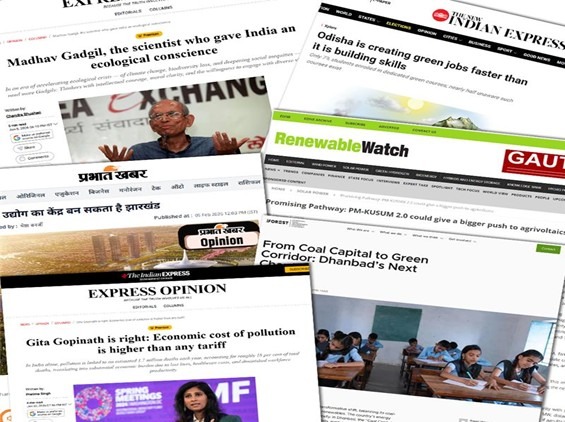
If the Green Urea Mission is adopted, imports will be
eliminated, subsidies will be reduced by 65%, and GHG
emissions will decline by over 60%. Water and air
pollution will also be significantly mitigated, and land
degradation will be reversed. Most importantly, it will
drive the growth in the two emerging industrial sectors –
Green Hydrogen and Carbon Capture and Utilization,” writes
Chandra Bhushan in his column in the Indian Express.
-
India’s ‘energy’ sector (cooking fuel, electricity, heat and
transport) accounts for 75.6 per cent of carbon and
carbon-equivalent emissions. These are the by-products of
the combustion economy that currently powers our lives and
our economy. Importantly, this energy is largely imported,
putting a question mark on India’s energy security," writes
Chandra Bhushan in his
blog
marking International Clean Energy Day.
-
In an era of accelerating ecological crises—climate change,
biodiversity loss, and deepening social inequities—we need
more Gadgils.” iFOREST CEO Chandra Bhushan pays tribute to
Madhav Gadgil, the scientist who shaped India’s ecological
conscience, in
The New Indian Express.
-
Dhanbad’s future doesn’t have to be written in coal dust. It
can be built on green growth, new jobs, and restored
landscapes,” writes Devrupa Paul in a
blog
for iFOREST.
-
Odisha is set to generate thousands of new jobs in the
coming years. The real question is simple: will these jobs
go to local youth?" writes Suhail Mir, Programme Lead, in
his piece for
The New Indian Express.
- 16/1/26
-
In India alone, pollution is linked to an estimated 1.7
million deaths each year, accounting for roughly 18 per cent
of total deaths and translating into a substantial economic
burden due to lost lives, healthcare costs, and diminished
workforce productivity," writes Pratima Singh, Director, Air
Pollution,
The Indian Express.
24/1/26
-
Land is now the decisive bottleneck, with large solar parks
increasingly competing with farms for space, water, and
livelihoods. In this scenario, Agrivoltaics (Agri-PV) offers
a way out—co-locating solar panels and crops so land
produces both power and food," Director, Clean Energy,
iFOREST & Abhishek Patil, Senior Programme Associate, in the
Renewable Watch Magazine.
- 8/1/26
-
खनन के लंबे इतिहास के कारण झारखंड के पास इतनी जमीन उपलब्ध
है, जितनी इस देश के बहुत कम ही औद्योगिक राज्यों के पास होगी.
ऐसे में, राज्य की बंद और गैर-संचालित खानों की 11,000
हेक्टेयर से भी अधिक जमीन को हरित निवेश और यहां की
अर्थव्यवस्था को विविध बनाने के लिए इस्तेमाल में लाया जा सकता
है. इसके अतिरिक्त, अगले पांच से दस वर्षों में लगभग 27,000
हेक्टेयर जमीन झारखंड को और भी उपलब्ध हो सकती है. यह काम
केंद्र सरकार के कोयला मंत्रालय द्वारा तय किये गये वैज्ञानिक
खदान बंदी और भूमि पुनः उपयोग के नियमों के तहत किया जा सकता
है.” writes Srestha Banerjee, Director Just Transition and
Devrupa Paul, Programme lead for
Civil Prabhat Khabar.
|
Odisha Renewable Energy Investor Conclave 2026
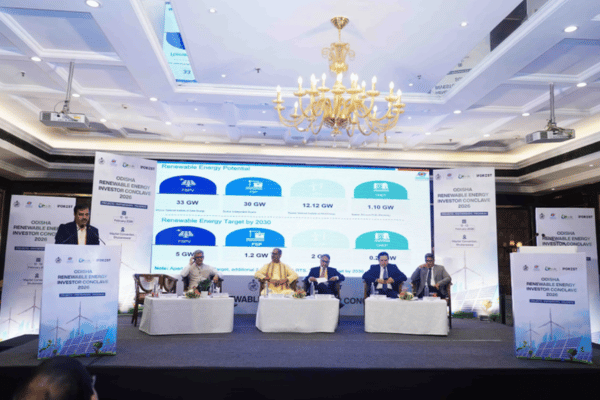
As India accelerates its clean energy transition, Odisha is
emerging as a key destination for large-scale renewable energy
investment. iFOREST, as knowledge partner to the Energy
Department, Government of Odisha, and GRIDCO Limited, anchored
Odisha Energy Investors Conclave 2026. Inaugurated by the
Deputy Chief Minister of Odish, the conclave focused on
unlocking investment-ready projects and strengthening Odisha’s
role as a clean energy hub in eastern India. It brought
together policymakers, investors, and industry leaders to
showcase the state’s diversified project pipeline, including
floating solar, pumped hydro, and mine land repurposing.
|
Northeast India Clean Energy Conclave 2026: Powering the
Region's Renewable Future
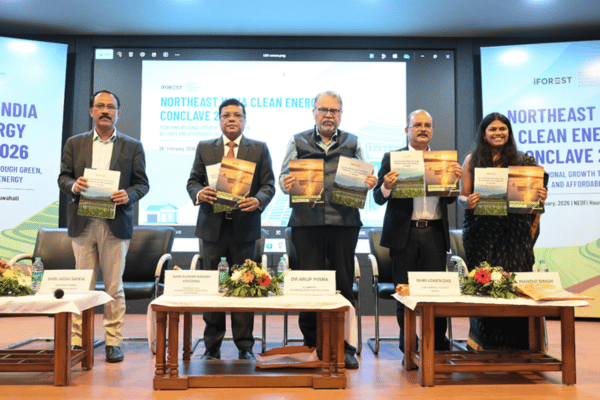
The Northeast region holds nearly 9% of India's waterbodies,
making it one of the country's most promising frontiers for
clean energy. iFOREST convened the Northeast India Clean
Energy Conclave 2026, bringing together the renewable energy
industry, investors, and government stakeholders to chart a
strategic course for the region's clean energy future. The
conclave showcased investment-ready opportunities across
floating solar, agri-solar, pumped storage, small hydro, and
biomass, alongside innovative financing models, enabling
direct B2G, B2B, and B2C engagements to accelerate project
execution.
|
Strengthening Online Air Quality Monitoring Ecosystem
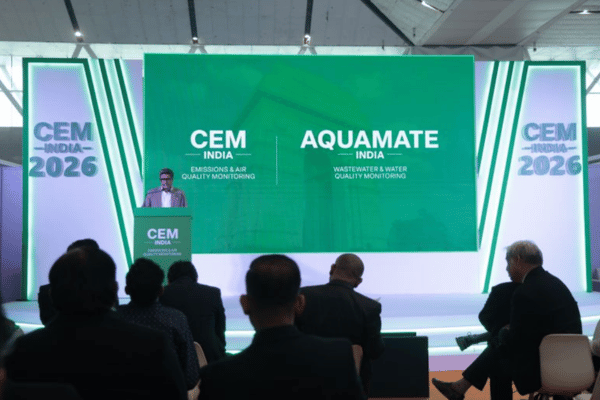
iFOREST, in collaboration with International Labmate Ltd,
convened CEM India 2026 -- India’s largest international
conferences and exhibitions on online air quality monitoring.
The event brought together 2,000+ participants, featuring 50+
technical sessions and 100+ exhibitors from India, the UK, and
the US. The discussions emphasised a shift from enforcement to
facilitation, greater support for MSMEs, and the growing role
of monitoring systems like CEMS, alongside the rise of
Made-in-India technologies.
|
Unlocking Post-Mining Land for Odisha’s Green Transition
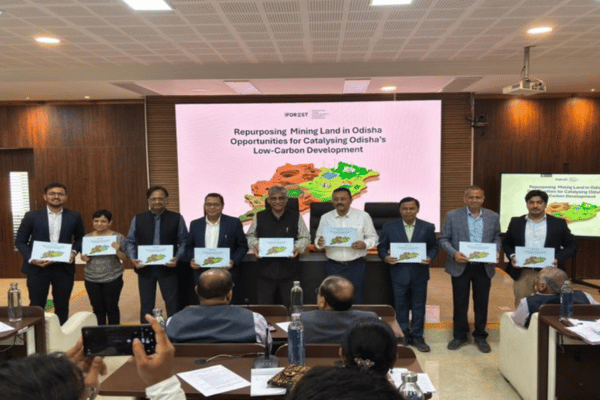
Odisha, India’s largest mining state, has nearly 9,000
hectares of post-mining land that can be repurposed. To
advance this opportunity, iFOREST launched a first-of-its-kind
study, Repurposing Mining Land in Odisha: Opportunities for
Catalysing Low-Carbon Development. The study provides a
data-driven blueprint to transform closed and
soon-to-be-closed coal and non-coal mines into strategic
assets for a low-carbon future.
|
Advancing Lifecycle Refrigerant Management in India
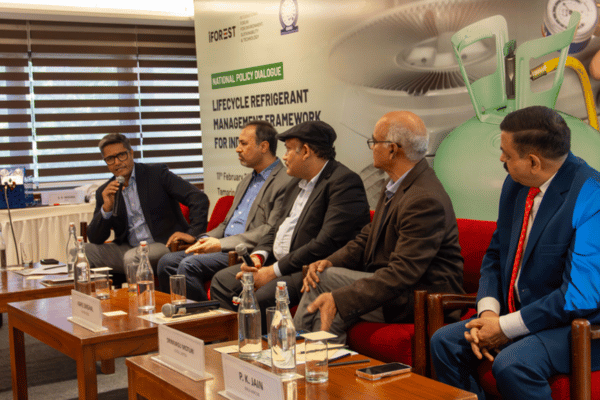
India’s cooling demand is rising rapidly, bringing new
challenges in managing refrigerants sustainably and limiting
GHG emissions. In this context, iFOREST convened the National
Policy Dialogue on Lifecycle Refrigerant Management at the
India Habitat Centre. Drawing on iFOREST’s survey of over 3000
consumers and 650 technicians across 10 states, the dialogue
highlighted on-ground challenges and unveiled a practical,
India-specific framework to manage refrigerants across their
full lifecycle, from installation to end-of-life.
|
Decarbonising Heat: Charting Pathways to Scale Heat Pump
Adoption in India
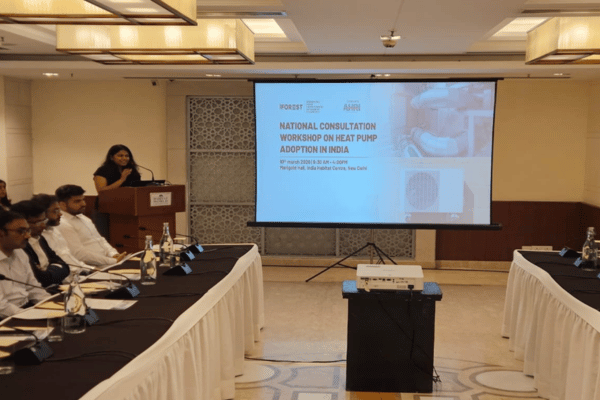
Decarbonising heat in industry and buildings has become
critical to India’s energy transition. iFOREST convened a
National Consultation Workshop on heat pump adoption, bringing
together policymakers, industry, financiers, and technical
experts to explore pathways for scaling clean heat solutions.
The workshop focused on market potential, technology
readiness, and enabling frameworks for heat pump adoption in
domestic market.
|
Scaling Floating Solar: Chhattisgarh’s Clean Energy
Opportunity
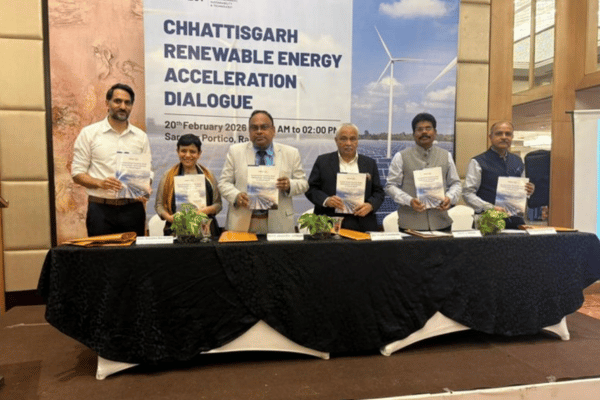
Chhattisgarh holds significant untapped potential across water
bodies, mine land, and wastelands. An iFOREST assessment,
released at the Chhattisgarh Renewable Energy Acceleration
Dialogue in Raipur, estimates that the state can unlock up to
151 GW of renewable energy. The report, Accelerating Floating
Solar Photovoltaic Development in Chhattisgarh, highlights
opportunities to scale deployment using existing assets
|
iFOREST Training Programmes & Workshops
|
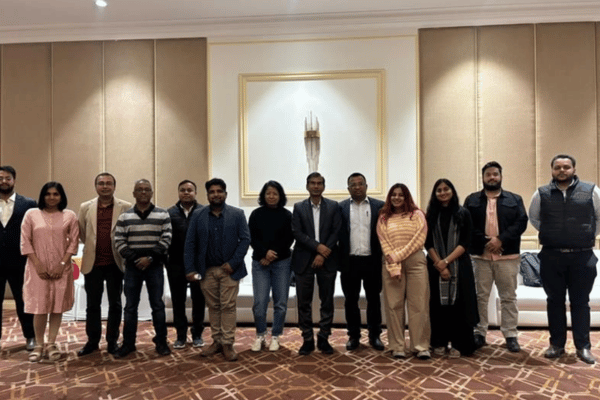
Shaping Assam’s Climate Roadmap
On 28–29 January 2026, iFOREST, in collaboration with the
Assam Climate Change Management Society (ACCMS), convened
expert consultations in Guwahati to inform the Assam Climate
Roadmap. The discussions brought together stakeholders from
government, academia, industry, and civil society to assess
how urban growth and infrastructure are driving energy demand,
emissions, and climate risks. The discussions identified key
gaps in building efficiency, transport systems, and industrial
energy use.
|
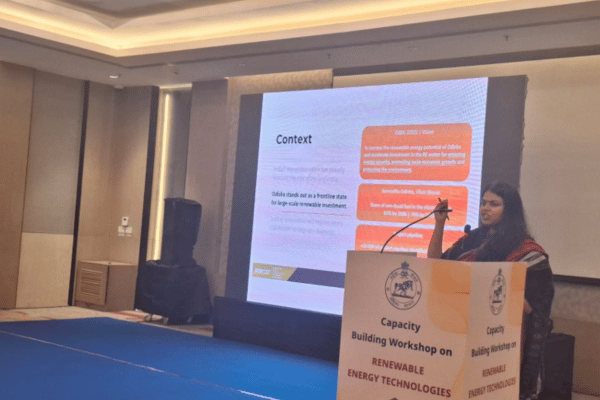
Strengthening Institutional Capacity for Renewable Energy in
Odisha- 4/02/26
iFOREST partnered in a two-day Capacity Building Workshop on
Renewable Energy Technologies held on 4 February 2026 in
Bhubaneswar, organised under the Public Enterprises Department
with support from GRIDCO Limited. The workshop brought
together PSU leaders and senior officials to strengthen
institutional capacity, enhance techno-commercial
understanding, and enable more coordinated decision-making for
renewable energy deployment. It focused on improving project
implementation, fostering inter-departmental coordination, and
scaling proven models to accelerate progress towards Odisha’s
Renewable Energy Vision 2030.
|
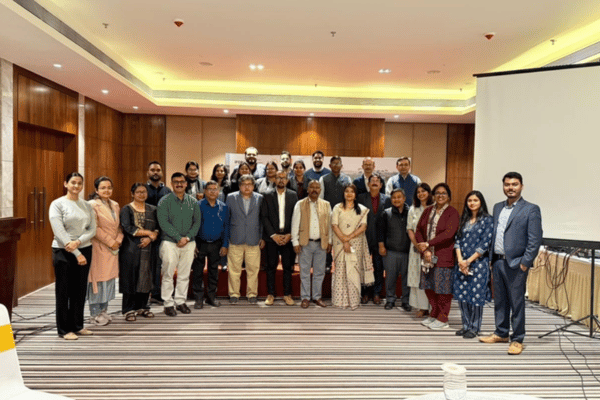
iFOREST and Assam Government Convene Consultations on Climate
Resilience
iFOREST, in collaboration with the Assam Climate Change
Management Society, convened three expert consultations from
10–12 February 2026 in Guwahati as part of the Assam Climate
Roadmap. Covering disaster risk reduction, forests, and
agriculture-water systems, the discussions identified key
priorities, including risk-informed land-use planning,
ecosystem-based approaches, and integrated water and
climate-resilient agriculture strategies to strengthen
state-wide resilience.
|
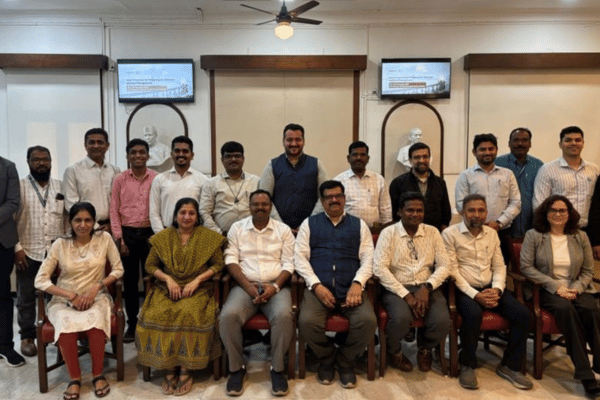
Strengthening Action on Air Pollution in Guwahati
Air pollution is a persistent challenge for rapidly growing
cities like Guwahati, demanding coordinated action across
municipal authorities and regulatory bodies. To address this,
iFOREST, in collaboration with the Assam Pollution Control
Board (APCB), conducted a two-day capacity-building workshop
in Guwahati (25–26 February 2026), bringing together senior
officials from Guwahati Municipal Corporation and APCB. The
workshop focused on practical strategies for dust mitigation
and waste burning, covering urban greenery, road dust
management, solid waste, and construction waste, while
enabling cross-agency coordination and knowledge sharing.
|
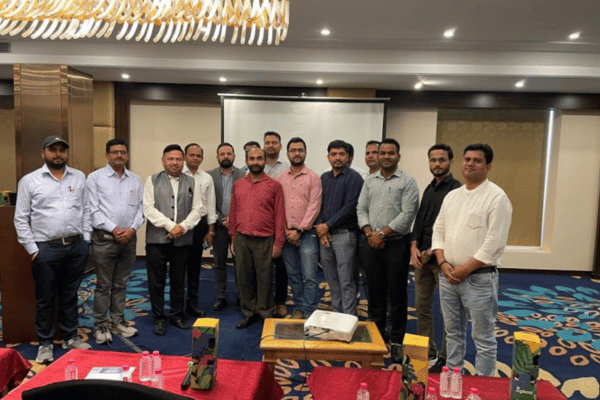
Driving Cleaner Boiler Operations in Varanasi’s Industrial
Clusters
iFOREST, in collaboration with the Directorate of Boilers,
Uttar Pradesh, and the Uttar Pradesh Pollution Control Board
(UPPCB), organised a one-day Industry Awareness Workshop in
Varanasi on reducing GHG emissions and pollution from boiler
operations. The session brought together industry and
regulatory stakeholders to discuss cleaner operations,
emissions reduction, and compliance. It also shared insights
from iFOREST’s cluster survey and highlighted the need for
energy-efficient technologies and stronger air pollution
monitoring systems.
|
iFOREST Partners with IIT Guwahati to Advance Climate and
Energy Solutions in the North-East
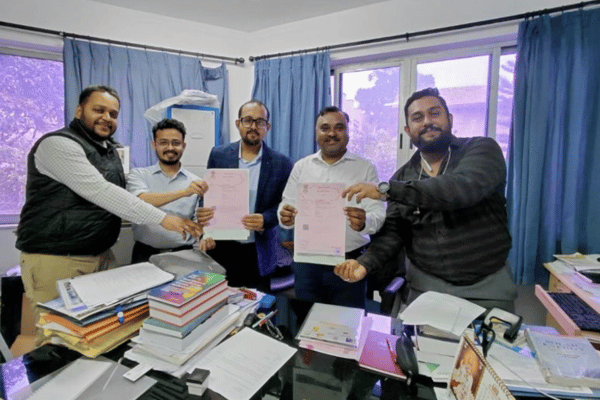
iFOREST has signed a Memorandum of Understanding with the
Indian Institute of Technology-Guwahati to advance climte and
clen energy cosultion in the North-East. Under this
collaboration, both institutions will work together to advance
research, innovation, and deployment of sustainable
technologies the North East region. The partnership focuses on
clean energy transitions, climate resilience, and air
pollution management, while enabling pilot projects, knowledge
exchange, and implementation-driven research.
|
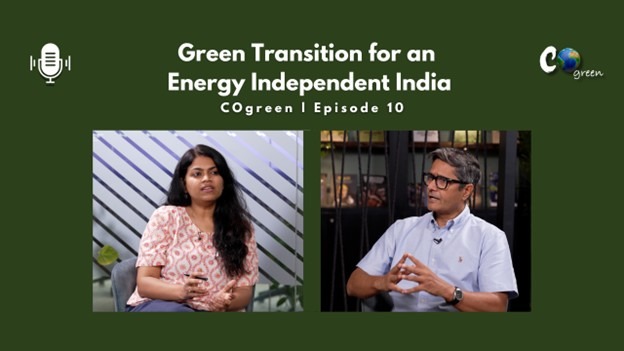
COgreen Episode 10: Green Transition for an Energy Independent
India
In a recent episode of the COgreen Podcast, Mandvi Singh,
Programme Director of Clean Energy at iFOREST, sat down with
Dr. Chandra Bhushan, CEO and President of iFOREST, to discuss
India's long-term energy security in the wake of the West Asia
crisis. The conversation explored India's deep import
dependencies, from crude oil to urea, and what a truly
Atmanirbhar energy future demands across electricity, EVs, and
green agriculture.
Watch Here.
.
|
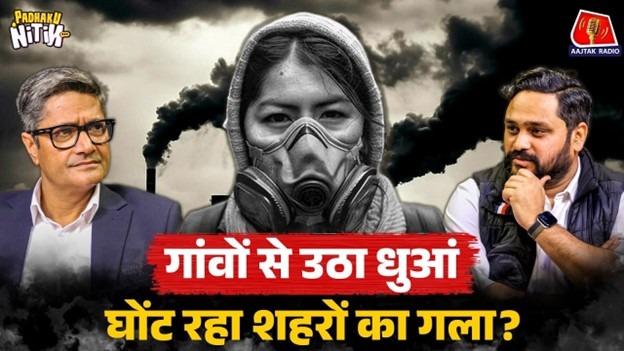
Podcast on Air Pollution in India: Health Impacts and Policy
Challenges on Aaj Tak Radio
In March, iFOREST CEO Chandra Bhushan featured on Padhaku
Nitin, a podcast by Aaj Tak Radio, to discuss India’s
worsening air pollution crisis. The conversation examined gaps
in policy and scientific approaches while highlighting the
urgent need for more effective and long-term solutions beyond
conventional narratives.
Watch here.
|
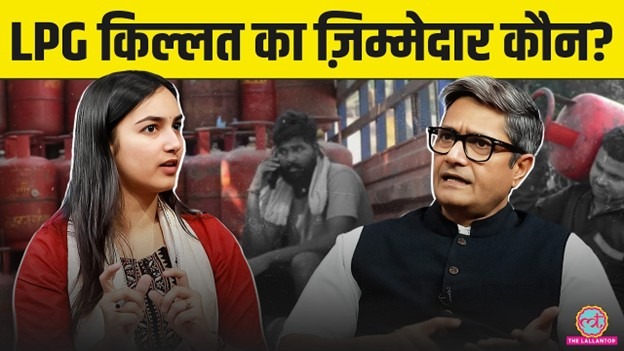
Podcast on Lallantop: Decoding the Energy Crisis After the
US–Iran Conflict
In a recent conversation, Shruti Agarwal spoke with Dr Chandra
Bhushan, CEO and President of iFOREST, to decode India's
growing energy crisis in the aftermath of the US–Iran
conflict. The discussion examined India's heavy dependence on
imported crude, LPG, and LNG, and explored practical and
long-term solutions — from decentralised energy models and
gobar gas to LNG diversification and the accelerating push
towards renewable energy.
Watch Here.
.
|

COgreen Episode 9: Guwahati’s Climate and Air Pollution
Challenges
In January, COgreen Episode 9 featured a conversation on
Guwahati’s emerging climate and air pollution challenges.
Recorded during the launch of the Guwahati Clean Air Plan, Joi
Barua sat down with Dr. Pratima Singh, Director, Air pollution
and Waste management to discuss the city’s changing
environment and the role of citizen behavior in shaping
cleaner air outcomes.
|

COgreen Episode 9, Part 2: Clean Air and Citizen
Responsibility in Guwahati
Part 2 of Episode 9, focused on Guwahati’s evolving climate
and air pollution challenges. Recorded during the launch of
the Guwahati Clean Air Plan, Joi Barua sat down with Kaushik
Hazarika, Programme Lead, iFOREST to discuss the city’s
changing environment and the role of citizen responsibility in
ensuring clean air
|
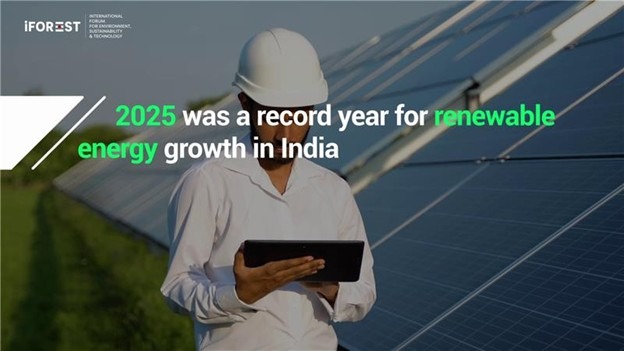
International Clean Energy Day: India’s Shift Towards an
Electron Economy
In January, iFOREST marked International Clean Energy Day with
a video highlighting India’s renewable energy progress and
future direction. Reflecting on the addition of nearly 40 GW
in 2025, the video emphasised the need to shift from a
combustion-based to an electron-based economy, with Eastern
India playing a key role in scaling solutions such as floating
solar, agri-PV, and rooftop power.
|
A PEEK INTO THE NEXT QUARTER
|
`

Unmitigated Fuel Use Report Launch
iFOREST will release its study on unmitigated fuel at an
international webinar. The report in the in-depth study in two
districts of India to understand how large-scale burning of
fuels without pollution control equipment is contributing to
air pollution.
|

Assam Climate Roadmap
The Assam Climate Roadmap outlines a pathway to 2055 for
achieving climate-resilient and low-carbon development,
integrating mitigation, adaptation, and disaster risk
reduction through coordinated sectoral strategies across
energy, industry, transport, agriculture, and natural
ecosystems, while supporting green growth and job creation.
|
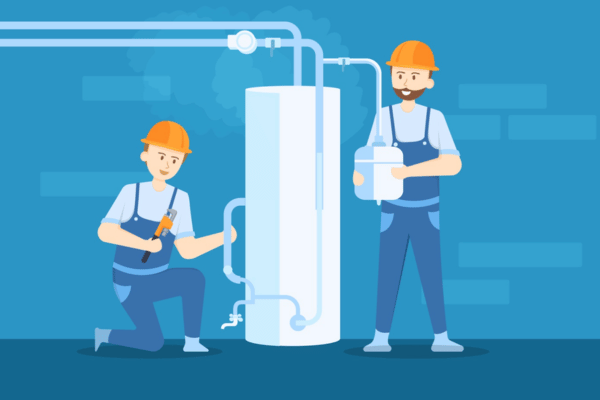
Maharashtra Green Boiler Report
The report assesses industrial boiler capacity, fuel use, and
sector-wise steam demand across Maharashtra. It identifies
associated emissions and highlights opportunities for
decarbonisation in industrial process heat
|

BRSR Disclosure Report: ESG Performance of Cement Sector
The report evaluates ESG disclosures of the cement sector over
two financial years using BRSR frameworks. It also develops a
sector-specific supplement to strengthen reporting standards
and transparency
|
|
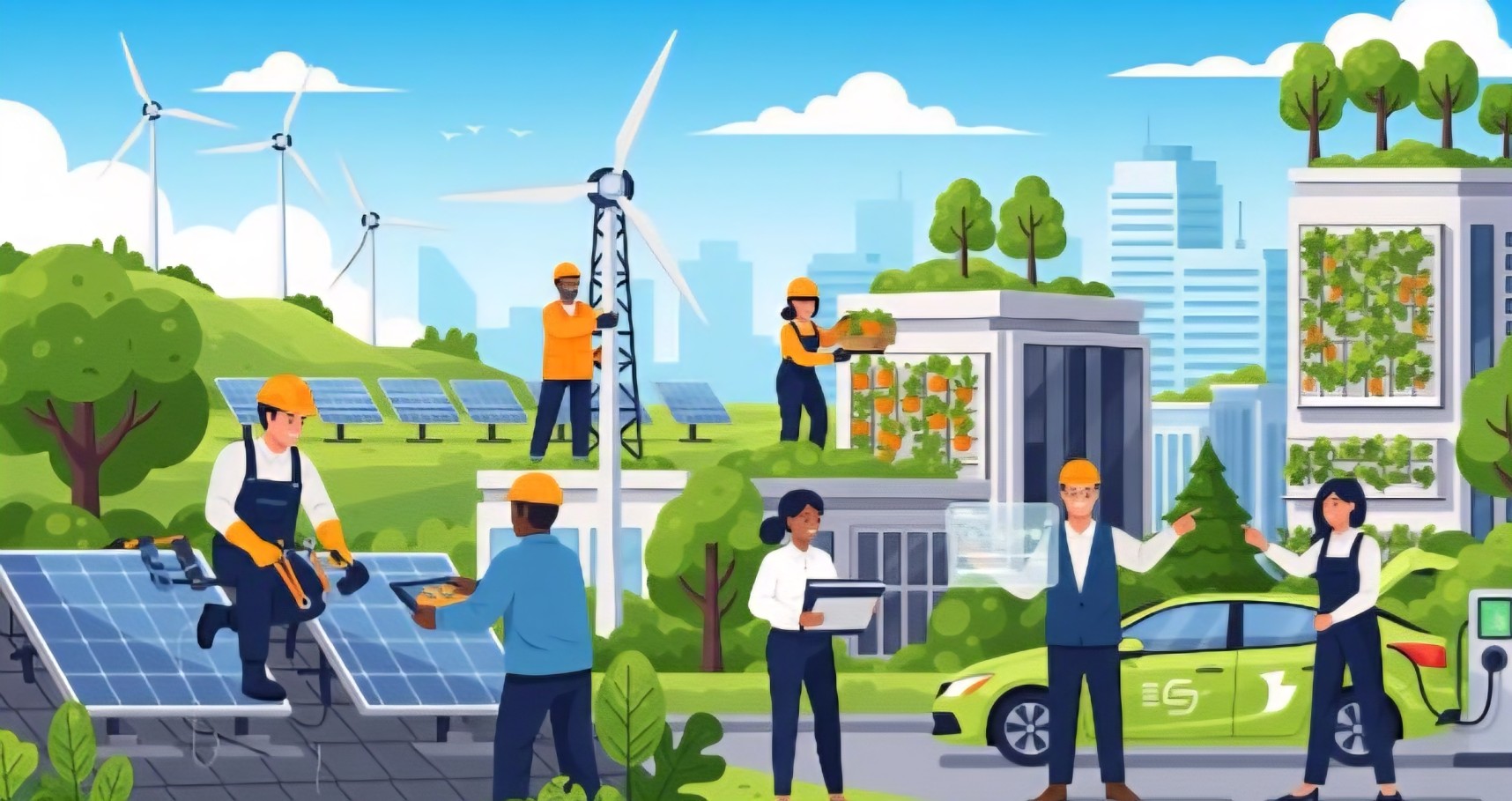
Join the iFOREST canopy and green your career with us!
For regular career updates follow us on
LinkedIn
and check out our
careers
page.
|
|
|
|
Copyright © 2025 iFOREST, All rights reserved
For more information,
visit iforest.global
Our mailing address is: C-902, 9th floor, Urbtech Trade
Centre, Noida Expressway, Sector - 132, Noida 201304.
Get in touch with us at
contact@iforest.global
to subscribe, unsubscribe or share feedback.
|
|


